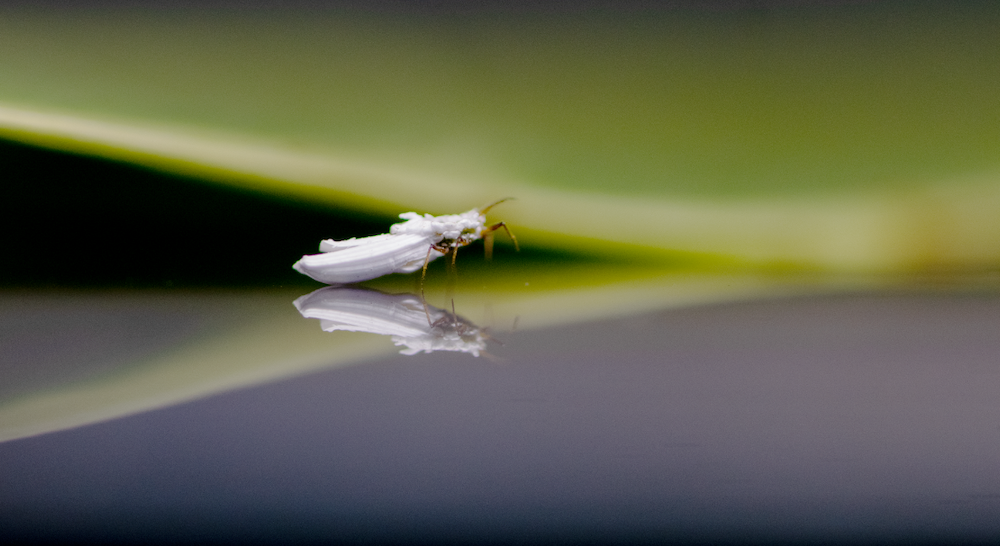
A scale insect repurposes its oocyte cells to transmit beneficial bacteria
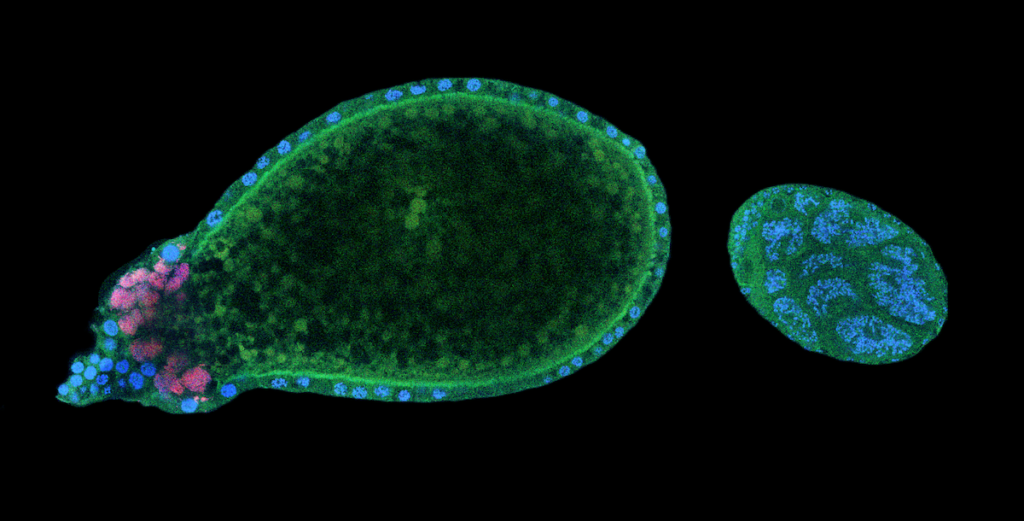
In this study, we describe a novel bacterial endosymbiont that uses a peculiar route of transmission in the scale insect Insignorthezia insignis. The bacteria accumulate outside developing oocytes, after which, the epithelial cells surrounding the oocyte undergo bizarre transformations. The cells typically have a cuboid or columnar morphology. However, upon contact with the bacteria, they lose their shape and instead transform into tubular elongations. Further examination revealed that these tubular protrusions are densely packed with the bacterial endosymbiont, which then detach from their cells to be incorporated inside the developing embryo. The cells thus functions as a transitory vehicle, transporting the bacteria from the exterior of the oocyte to its interior. Here, they synthesize essential nutrients such as amino acids and vitamins, which are required for optimal embryonic growth. Elimination of the bacteria from the embryos led to high insect mortality and severe developmental defects. The endosymbiont has a highly eroded genome – only 0.86 Mb. The bacterium has lost several of its genes while adapting to its endosymbiotic lifestyle. However, some genes encoding for nutrient-biosynthesis, which were missing from the endosymbiont’s genome were found to be present in the host genome, acquired horizontally from bacteria other than the endosymbiont. Thus, the study reports co-evolution between the genomes of the host and the symbiont.
Original publication: Ojaswini, Pal, S., Dhibar, A., Chandra, K., Rangarajan, A. and Shukla, S.P., 2026. Cellular remodeling of ovarian follicular epithelial cells transmits an obligate nutritional endosymbiont in a scale insect. Proceedings of the National Academy of Sciences, 123(16), p.e2532091123. https://doi.org/10.1073/pnas.2532091123
Photographs by Sourajyoti and Ojaswini
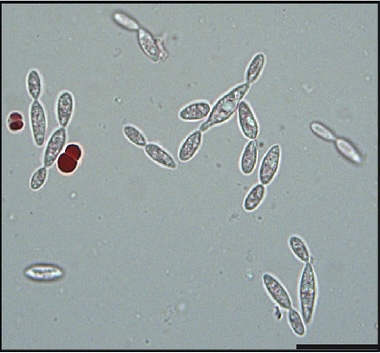
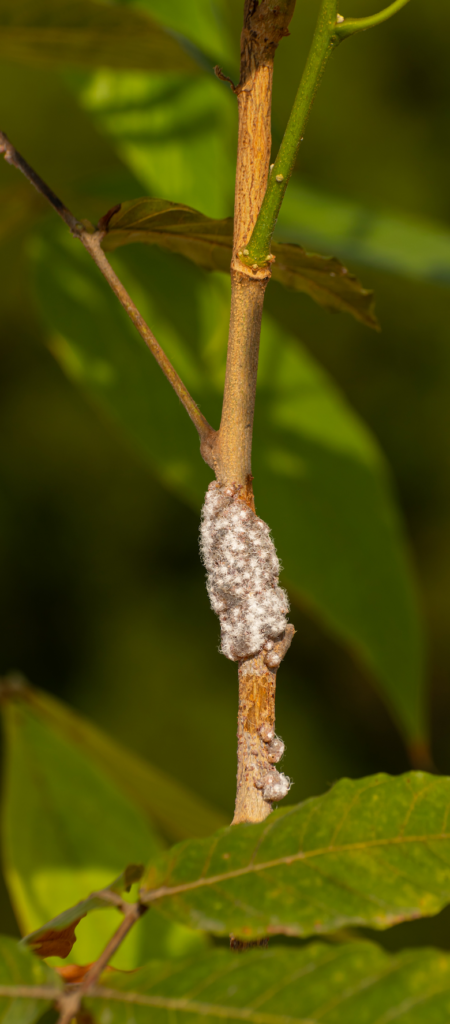
We characterize the microbial endosymbionts of the Indian lac insect Kerria lacca – Wolbachia and a novel yeast-like symbiont (YLS) related to the Ophiocordyceps fungus in the insect. We propose candidate enzymes for synthesis of the lac pigment, and demonstrate a role for the YLS in nutrient provisioning.
We also sequence the genomes of the host and the two endosymbionts.
Original publication: Vaishally, Pal, S., Thyagarajan, K.R. and Shukla, S.P., 2025. An endosymbiotic origin of the crimson pigment from the lac insect. Proceedings of the National Academy of Sciences, 122(25), p.e2501623122. https://doi.org/10.1073/pnas.2501623122
Photographs by Vaishally and Sourajyoti
Research
We use a multidisciplinary approach to elucidate the molecular and cellular nuts-and-bolts of insect-microbiome long term associations in order to gain a better understanding of how and why the interacting organisms show the traits that we observe. The lab asks questions at multiple levels ranging from molecules to organisms and communities.
2. Microscopy: Epifluorescence and confocal microscopy to visualize microbial transmission and tissue-specific localization of microbes.
3. Molecular biology to characterize gene density and expression using PCR, qPCR and RT-PCR as well as droplet digital PCR.
4. Microbial ecology to characterize microbial communities using culture dependent and culture independent methods.
5. Insect physiology and ecology to study the role of microbial symbionts in digestion, detoxification, nutritional supplementation and production of primary and secondary metabolites.
We aim to use our understanding of fundamental aspects of insect-microbiome associations to develop applications in health and agriculture.
Illustration showing potential applications of studying insect-microbe associations. For more details see the original paper in Applied Microbial Biotechnology.